Protecting biodiversity
in a changing world
Research
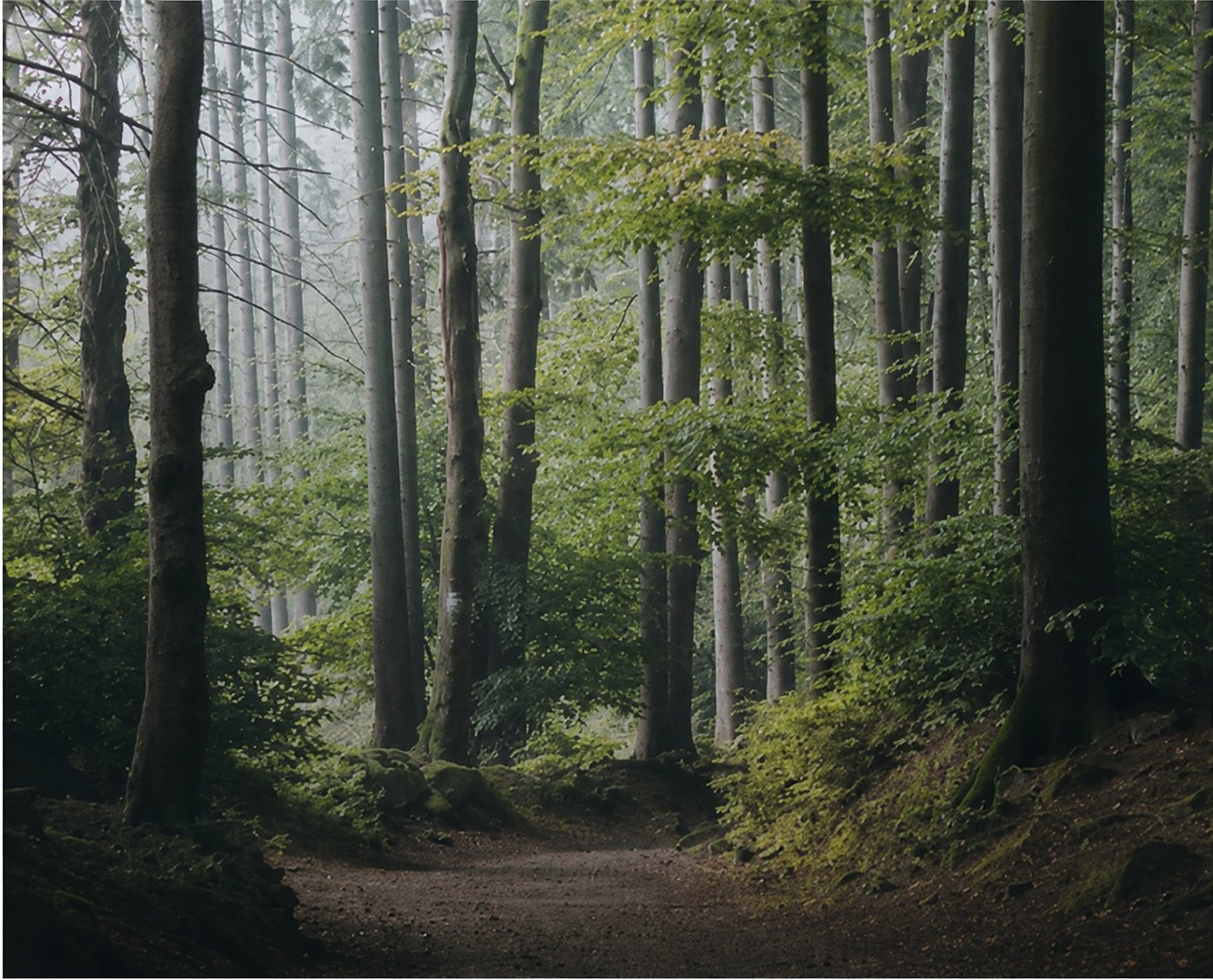
Microclimate ecology
Microclimate conditions are key to understanding how organisms respond to warming, yet they are frequently neglected in ecological research. We aim to unravel the drivers and impact of microclimate conditions on species range dynamics.

Ecoinformatics
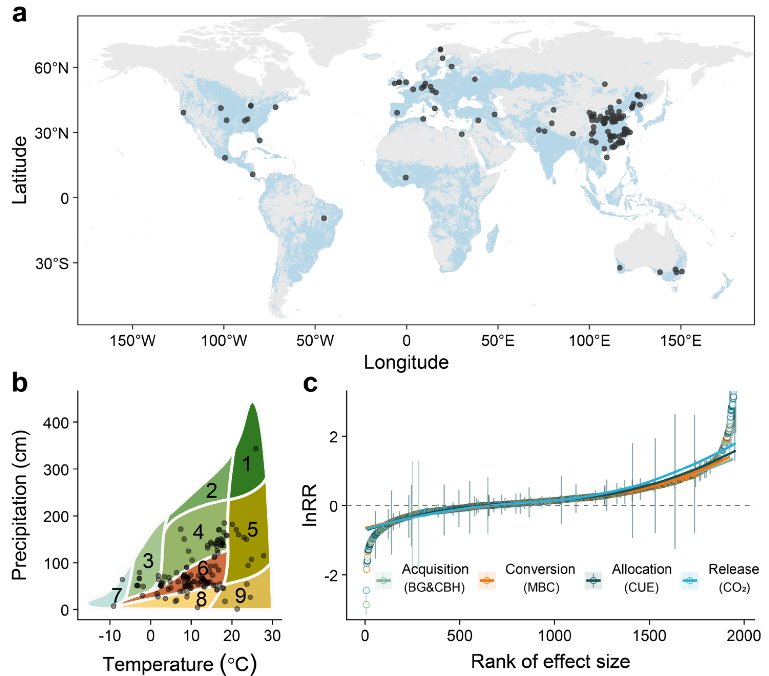
We combine big data with state-of-the-art modelling techniques (machine learning, SDM, SEM, ...) to extract patterns and answer ecological questions on large spatial scales.
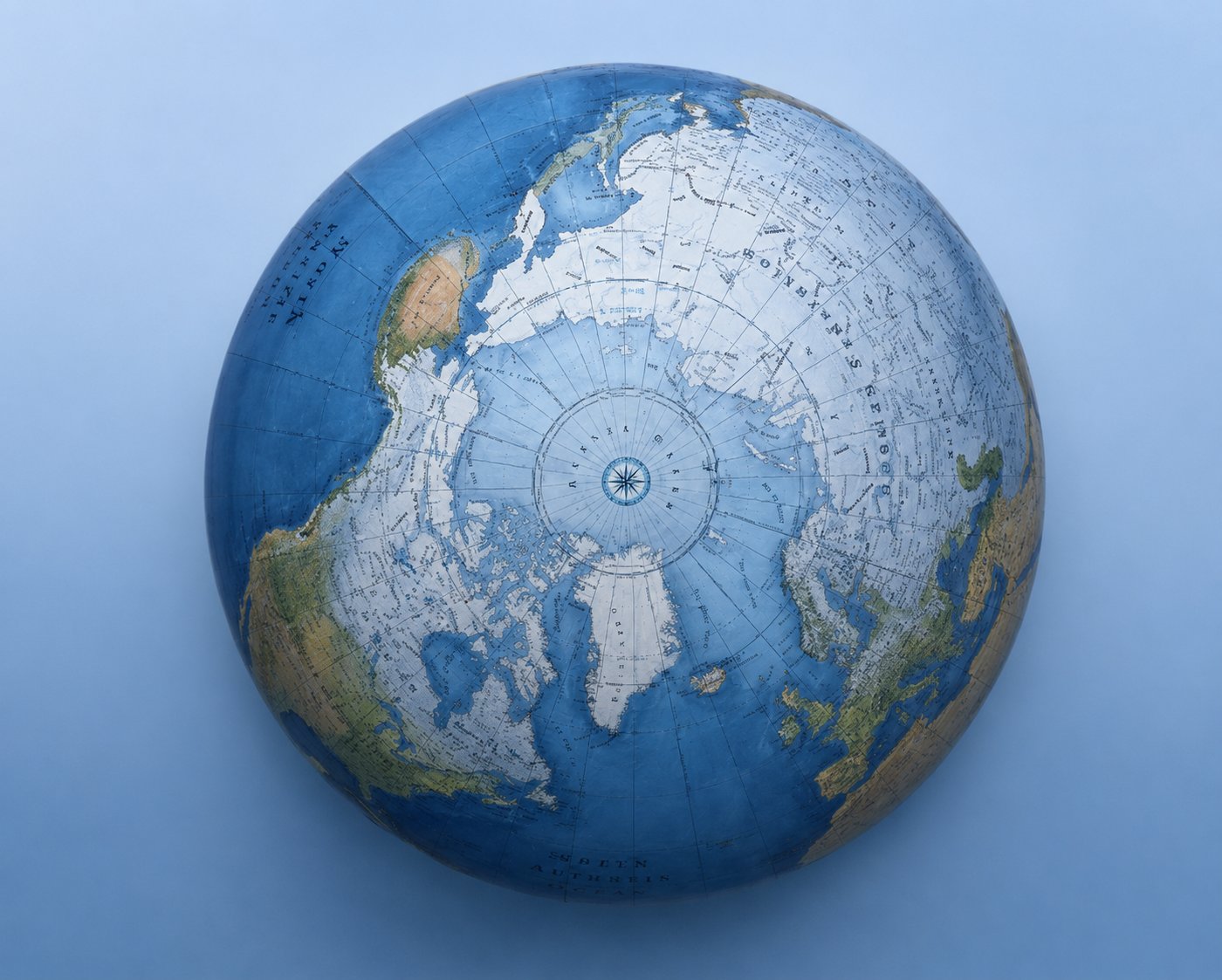
Global change effects
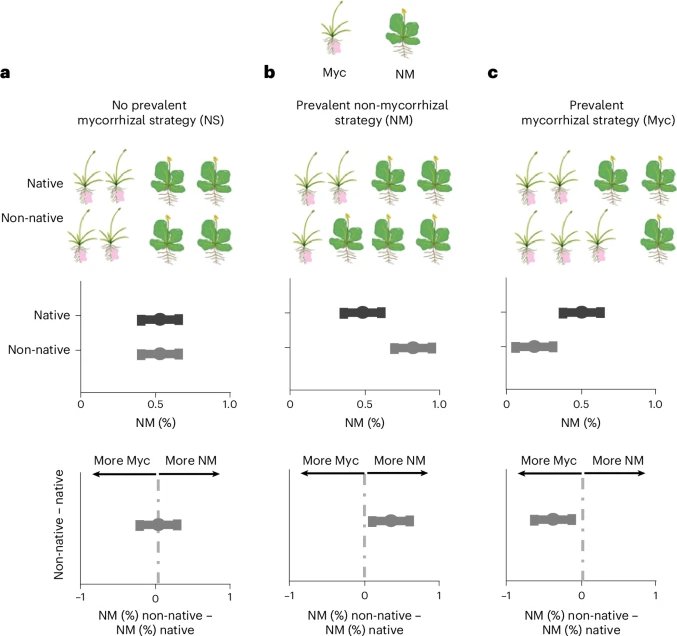
We aim to improve our understanding of the effects of global change on biodiversity and the functioning of terrestrial ecosystems. We focus on climate change and invasive species, as these are identified as two of the most important anthropogenic drivers of biodiversity loss.
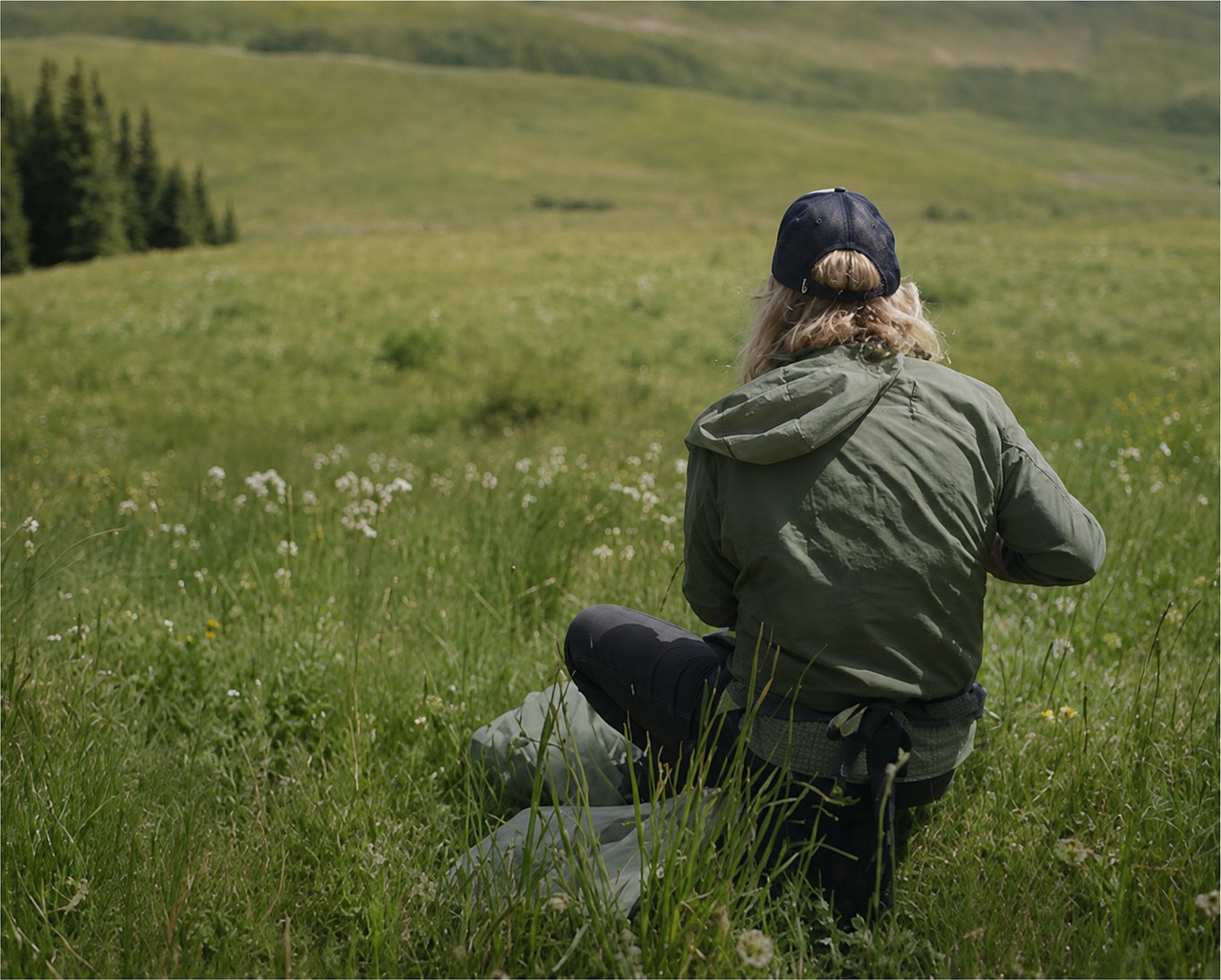
Field work
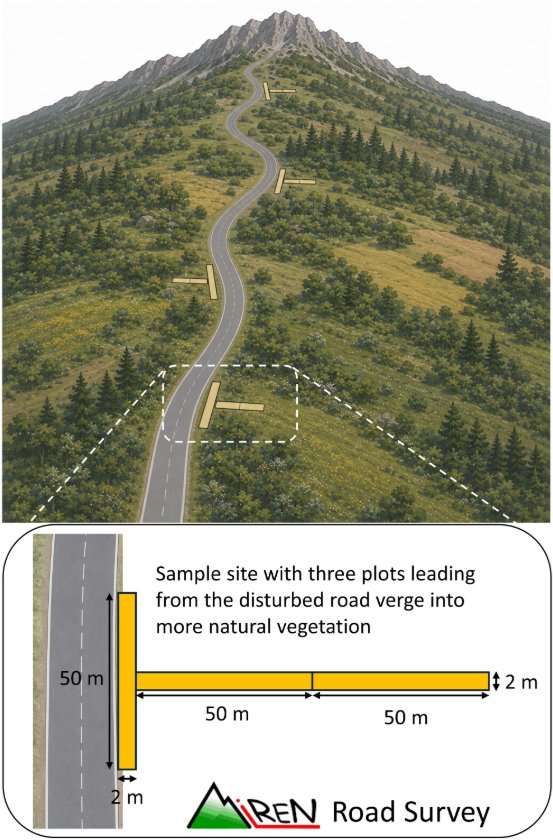
We collect new primary ecological data in natural and anthropogenic systems; species composition, vegetation structure, ecosystem functions, plant functional traits, etc.
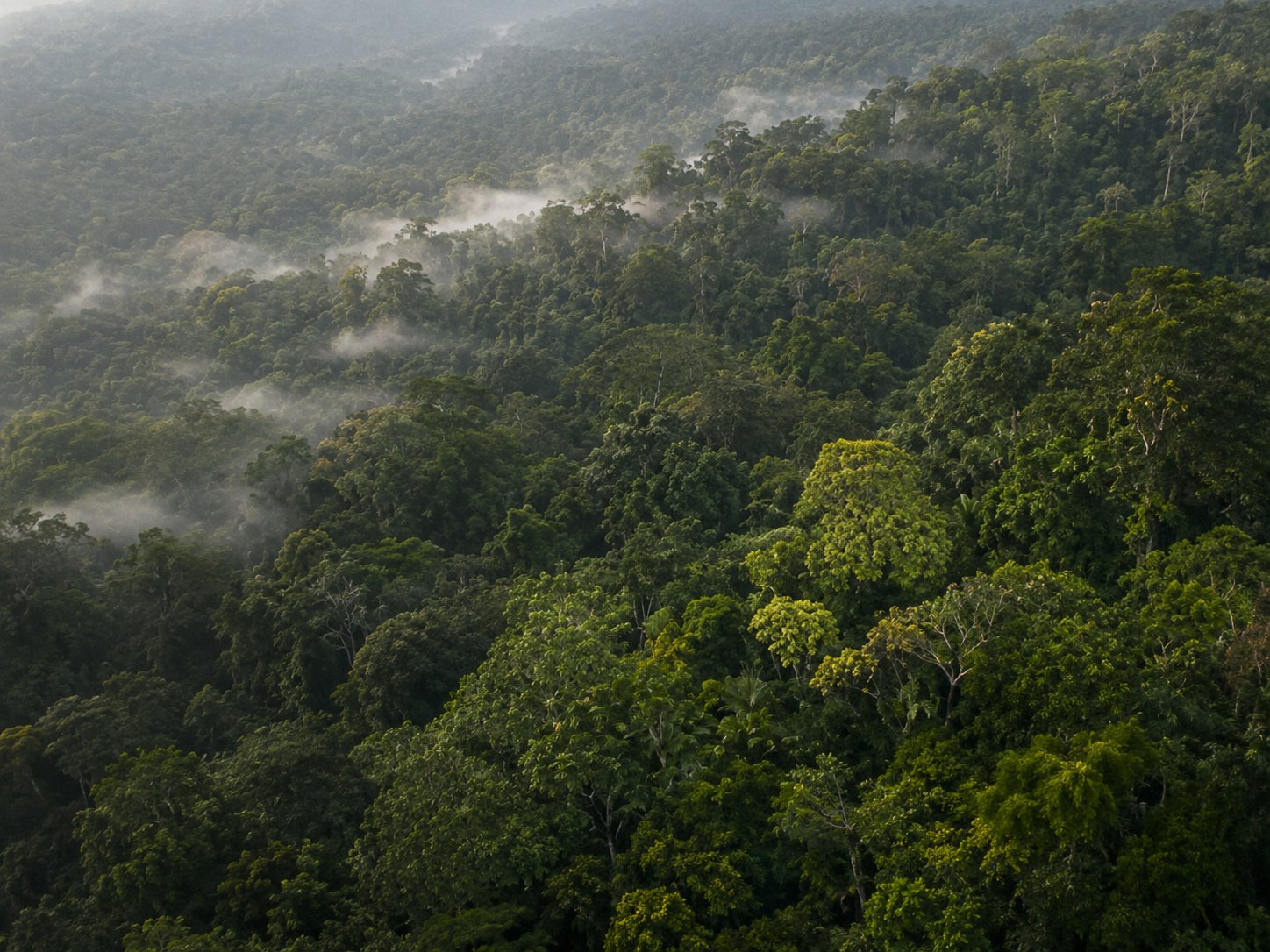
Biodiversity conservation
Nature conservation is stuck in the detrimental paradigm of preventing community changes under changing conditions. We aim at developing global change-robust solutions for the biodiversity crisis, one of the biggest challenges in the Anthropocene.
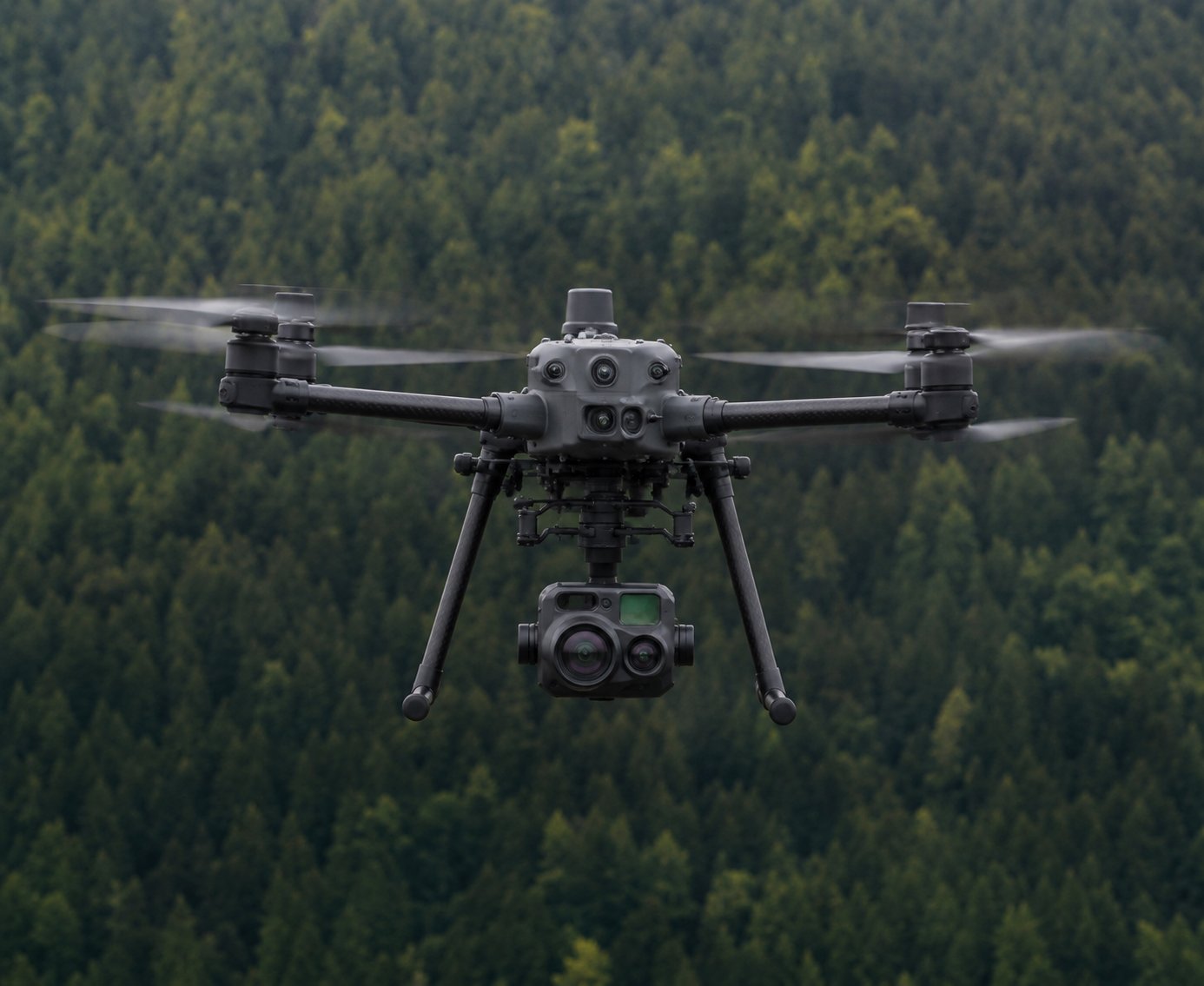
Drones
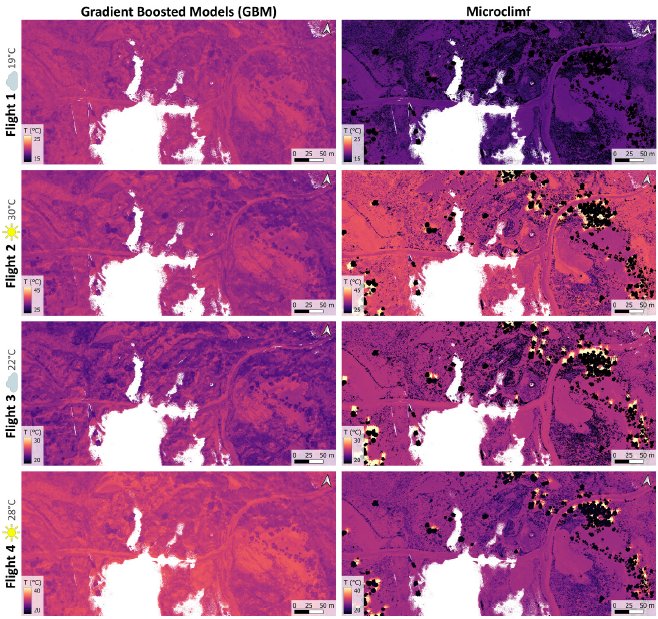
We fly drones to characterise how ecosystems are responding to rapid environmental change. Drones provide a unique opportunity for acquiring low-cost, high-resolution imagery at a regional scale.
Lab members

Koenraad Van Meerbeek
Associate Professor

Atefe Choopani
Postdoc

Alexander Van Hout
PhD student

Astrid Van den Bossche
PhD student

Christophe Metsu
PhD student

Jonas Simons
PhD student

Lore Hostens
PhD student

Marie Noels
PhD student

Marijke Geuskens
PhD student

Reinout Vandenabeele
PhD student

Senne Spreij
PhD student

Ward Fonteyn
PhD student

Willem Goossens
PhD student

Xiaqu Zhou
PhD student

Evelien Van Cutsem
Master student

Hanne Deboutte
Master student

Janne Vloeberghs
Master student

Lotte Jordens
Master student

Merel Eylenbosch
Master student

Pieter Smet
Master student

Quinten Van Elsacker
Master student

Wannes De Craemer
Master student
Research projects

CoolTree
Read more …

INFORMA
Read more …

FutureNature
Read more …

FuelFusion
Read more …

Micromics
Read more …

MicroChange
Read more …

FireRisk
Read more …

EcoGraph
Read more …

Recent publications